How Mice and Rodents Impact Commercial Buildings and Operations
Commercial mice and rodent control aims to prevent property damage, health risks, and operational disruptions, with local service providers capable of effectively managing infestations.
Understanding how mice and rodents impact commercial buildings and operations is essential for property owners seeking to protect their investments. These pests can cause significant disruptions, from contaminating food supplies and damaging inventory to compromising building structures. Recognizing the practical risks involved, many property owners in the area explore effective rodent control strategies to maintain a safe and efficient environment. Local service providers specializing in commercial mice and rodent control offer tailored solutions that address these concerns, helping to prevent infestations before they escalate.
Keeping rodents out of commercial spaces is not just about avoiding immediate nuisances; it’s about safeguarding the integrity of operations and ensuring compliance with health standards. Property owners are encouraged to learn about the ways mice and rodents can impact their buildings and daily functions. Local contractors experienced in commercial rodent management can provide the expertise needed to implement ongoing prevention and control measures. Continuing to read can help property owners make informed decisions to protect their business environments from these common pests.
- Commercial mouse exclusion - needed when signs of rodent entry are detected, with local contractors implementing sealing and exclusion techniques to prevent further infestations.
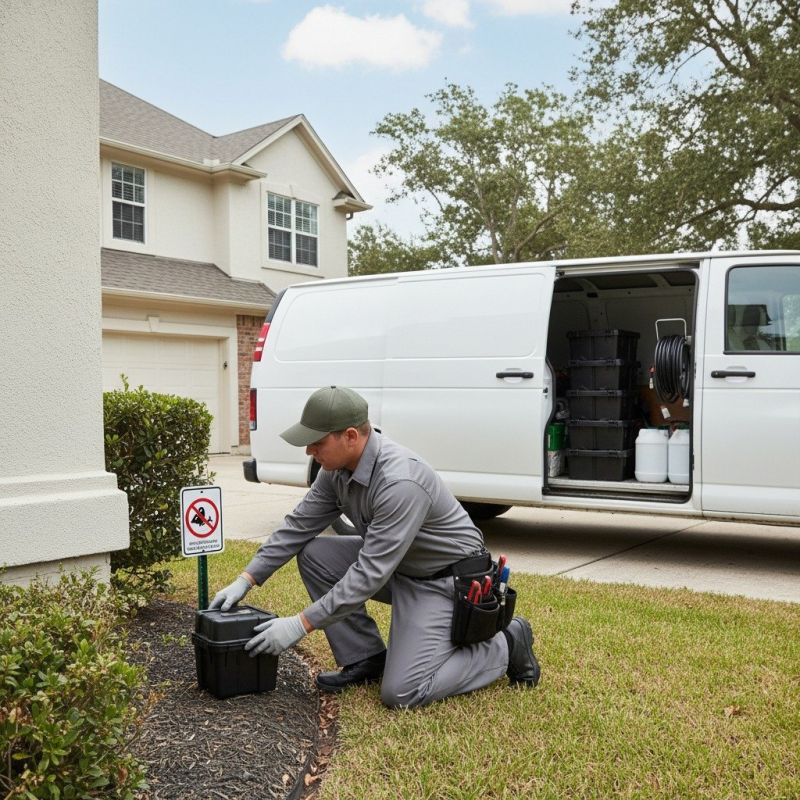
- Rodent baiting and trapping - used when rodents are actively present, with service providers setting traps and bait stations to reduce populations and protect property.
- Infestation cleanup and sanitation - required after rodent activity, as local pros remove droppings and contaminated materials to minimize health risks.
- Structural damage repair - necessary when mice and rodents cause damage to walls, wiring, or insulation, with contractors restoring and reinforcing affected areas.
- Ongoing pest monitoring programs - recommended for high-risk facilities, with service providers installing monitoring devices to detect and address rodent activity early.
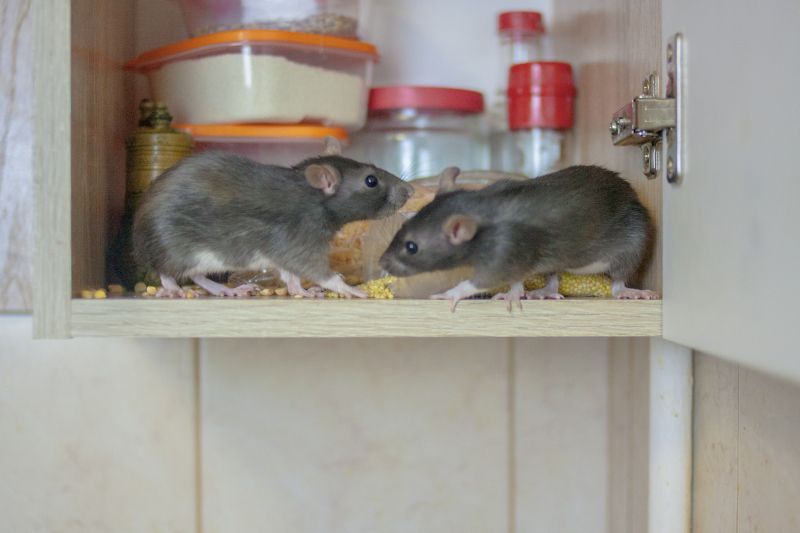
When people search for information about how mice and rodents impact commercial buildings and operations, they are often concerned about the potential damage and disruptions these pests can cause. Mice and rodents are known to invade structures in search of food, water, and shelter, which can lead to contamination of food supplies and surfaces. This contamination not only affects hygiene standards but also increases the risk of spreading diseases to employees, clients, and visitors. Business owners and facility managers may be looking for ways to prevent infestations or address existing problems to maintain a safe and clean environment.
The problems associated with mice and rodents in commercial settings often relate to property damage, health risks, and operational interruptions. Rodents can chew through wiring, insulation, and building materials, which can lead to costly repairs or even fire hazards. Their presence may also trigger health code violations if contamination or droppings are found in food storage or preparation areas. For many businesses, especially those in food service, hospitality, or retail sectors, an infestation can result in shutdowns or loss of customer trust. Consequently, planning for pest prevention and control becomes a critical part of overall property management and operational continuity.
Commercial properties that typically come up in discussions about mice and rodent issues include warehouses, distribution centers, restaurants, grocery stores, and office buildings. These properties often have large storage areas, open spaces, or food handling zones that attract rodents. Manufacturing facilities and food processing plants are also common sites for rodent concerns due to the abundance of potential food sources and hiding spots. Additionally, multi-unit buildings such as apartment complexes or strip malls may experience infestations that require ongoing pest management strategies. Local service providers specializing in commercial rodent control understand the unique challenges these properties face and can tailor solutions to effectively address the problem.
Understanding how mice and rodents impact commercial buildings and operations highlights the importance of proactive pest management. Property owners and managers should recognize that early intervention can prevent extensive damage and reduce health risks. Local pros who specialize in commercial rodent control can assess the specific conditions of a property, identify entry points, and develop integrated strategies to eliminate and prevent infestations. Connecting with experienced service providers ensures that businesses can maintain a safe, compliant, and efficient environment, minimizing disruptions caused by these pests and protecting their assets over time.
Warehouse pest management - professionals specializing in large-scale pest control can address rodent infestations that threaten inventory and disrupt operations in commercial storage facilities.
Food processing facility sanitation - local contractors experienced in sanitation services help prevent rodent contamination risks that impact product safety and compliance requirements.
Commercial building maintenance - service providers offering building repairs and sealing can reduce entry points for mice and rodents, supporting long-term pest prevention efforts.
Industrial pest exclusion - experts in pest-proofing methods assist in safeguarding manufacturing sites from rodent intrusion that can cause operational delays and damage.
Restaurant and foodservice sanitation - local pros who specialize in restaurant hygiene help mitigate rodent-related health code violations and protect customer safety.
Property management pest control - property managers working with local contractors can implement integrated pest management plans to minimize rodent impacts on tenants and property value.

When comparing service providers for commercial mice and rodent control, it is important to consider their experience with similar projects. A contractor who has handled issues in buildings comparable to your commercial space will be more familiar with the specific challenges and effective strategies needed to address mice and rodent infestations. This background can contribute to a more efficient and targeted approach, reducing the risk of recurring problems and minimizing disruptions to daily operations.
Clear written expectations are essential when evaluating local contractors. A detailed scope of work that outlines the steps involved, the methods used, and the anticipated outcomes helps ensure everyone is on the same page. This transparency can prevent misunderstandings and provide confidence that the service provider understands the unique needs of your commercial environment. It also allows for better comparison between different providers based on the thoroughness and clarity of their proposals.
Reputable references and good communication are key indicators of a reliable service provider. Speaking with previous clients or reviewing references can offer insights into the contractor’s track record with similar projects and their ability to deliver consistent results. Additionally, a contractor who communicates effectively-responding promptly to questions and providing clear explanations-can make the process smoother and more manageable. These qualities help ensure that the chosen service provider will be attentive to your concerns and committed to addressing how mice and rodents impact your commercial building and operations effectively.
Property owners often search for how mice and rodents impact commercial buildings and operations when they are planning practical projects around their homes and businesses. Local pros provide Commercial Mice and Rodent Control services for everyday jobs and straightforward project options.
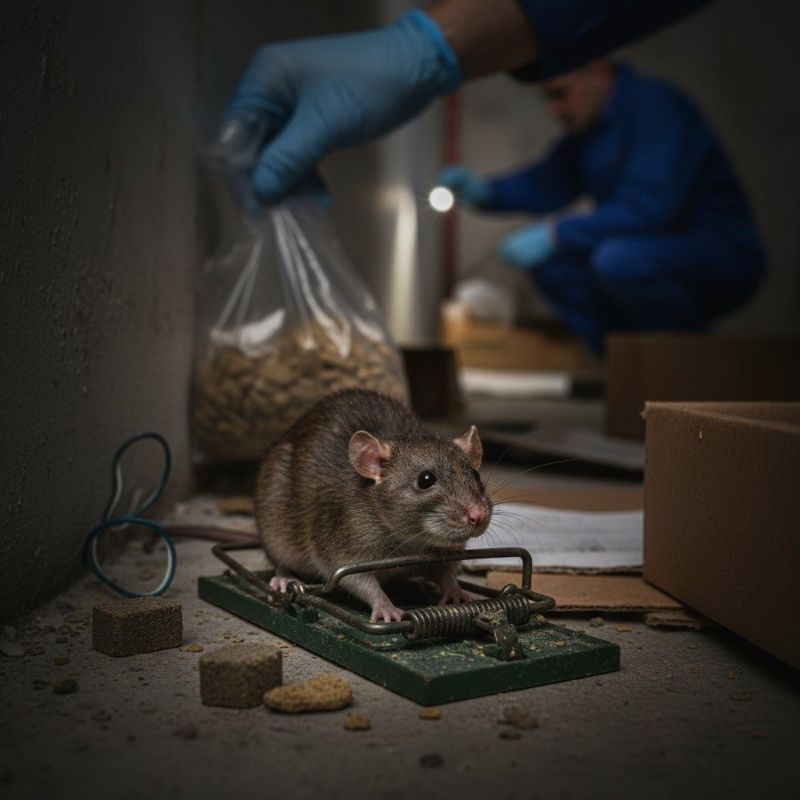
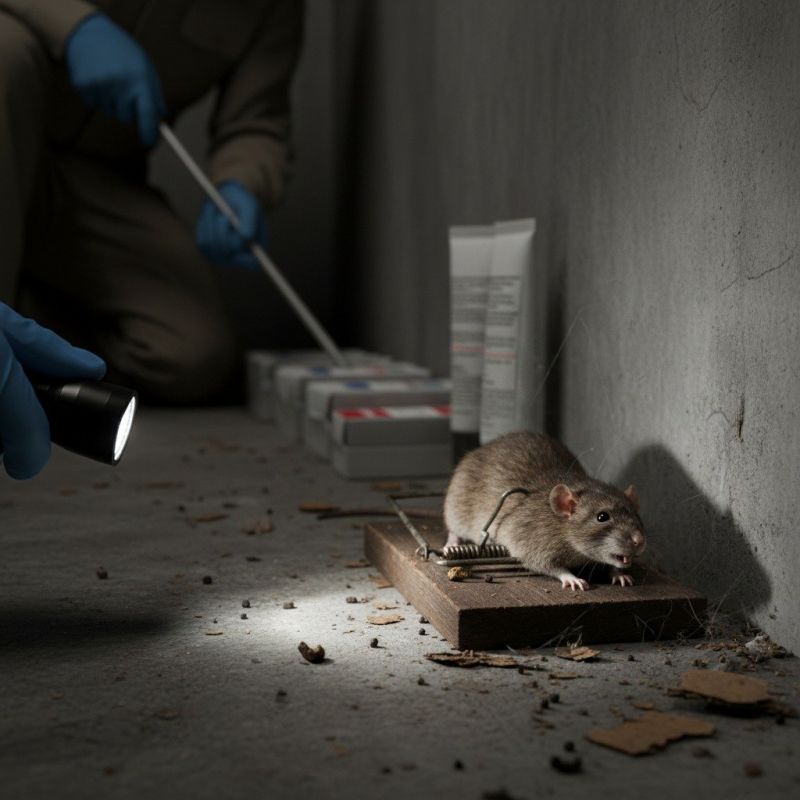
Mice and rodents can significantly disrupt commercial buildings and operations by causing damage to property and inventory. They often gnaw on wiring, insulation, and structural components, which can lead to costly repairs and potential safety hazards. Additionally, their presence can compromise food storage areas and manufacturing processes, resulting in contamination and product loss. Property owners in the area might seek out commercial mice and rodent control services to prevent these issues from escalating, ensuring their facilities remain safe, functional, and compliant with health standards.
Beyond physical damage, rodents can also impact the overall efficiency of a business. Their nests and droppings may lead to unpleasant odors and attract other pests, creating an unsanitary environment that affects employee productivity and customer perception. Recognizing these risks, many property owners turn to local contractors who specialize in rodent control to address infestations quickly and effectively. These service providers can help maintain a clean, safe, and operational building by implementing tailored strategies to manage and eliminate rodent problems before they cause further disruptions.
How do mice and rodents affect the operations of commercial buildings? Mice and rodents can cause disruptions by damaging property, contaminating food supplies, and spreading diseases, which can lead to operational delays and increased health risks in commercial settings.
What types of damage can mice and rodents cause in commercial properties? They can gnaw on wiring, insulation, and structural components, leading to costly repairs and potential fire hazards, as well as contaminating products and surfaces.
How do mice and rodents impact food safety and sanitation in commercial buildings? They can contaminate food storage areas and production lines with droppings, urine, and hair, compromising sanitation standards and risking product recalls.
In what ways do mice and rodents interfere with business productivity? Their presence can lead to pest control issues, employee health concerns, and potential shutdowns, all of which hinder daily operations and profitability.
How can local contractors help mitigate the impact of mice and rodents on commercial buildings? They provide pest management services that identify entry points, eliminate infestations, and implement preventative measures to protect building operations.
Identify entry points - property owners can work with local contractors to find and seal gaps or holes that mice and rodents may use to access the building.
Implement sanitation practices - maintaining clean storage areas and removing food sources helps reduce attractants and makes the environment less appealing to rodents.
Establish ongoing monitoring - setting up traps and regular inspections with local service providers can catch infestations early before they cause significant issues.
Develop a customized control plan - collaborating with local pros to create tailored strategies addresses specific building vulnerabilities and operation needs.
If you are thinking about how mice and rodents impact commercial buildings and operations for a property, this guide is meant to help you understand this topic, the typical project types, and how different options might fit your plans.
When you are ready, you can use the quote form on this page to share a few details about your project. From there, local pros can review the basics and follow up with options that match what you have in mind.